Mobile General Anesthesia for Pediatric Dentistry
Your child sleeps. I focus on their anesthesia.
Beverly Hills Pediatric Anesthesia is the pediatric anesthesia practice of Anoosh Javaherian, MD, an Anesthesiologist board-certified by the American Board of Anesthesiology. I transform the dental office into a hospital-grade treatment room, so your child’s dentistry may happen in one visit, fully asleep and closely monitored.

Healthy smiles
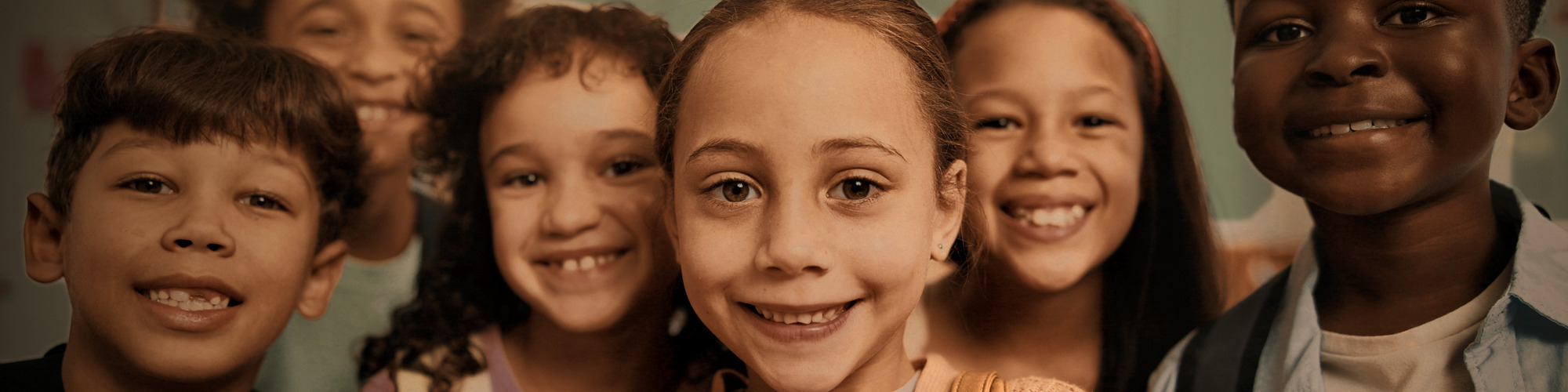
Models. Not patients of this practice.
About Dr. Java
Medical Doctor
Fully-licensed Physician from the Medical Board of California.
Board-certified Anesthesiologist
Certified by the American Board of Anesthesiology.
Dental Pediatric Permit
General Anesthesia permit with Pediatric Endorsement from the Dental Board of California.
Dental Board Evaluator
Appointed by the Dental Board of California to oversee and evaluate other Dentists and Anesthesiologists seeking to administer Anesthesia.
Your Trusted Anesthesiologist for Pediatric Dentistry
The Process
We evaluate every child before proceeding.
Each child is unique, and we take the time to know their medical history before administering anesthesia.
Before Treatment
Speak with our nurse
We complete a thorough medical questionnaire over the phone — not a form you fill out alone. We hold a conversation, so nothing gets skipped or misread.
I review everything
Your child's medical information is personally reviewed, and any clarifying questions or information is requested.
Medical records if needed
If your child has certain medical conditions, we request records from their doctor. I may speak with their doctor directly.
We have a conversation
We speak over the phone prior to the treatment date, where together we formulate the anesthetic plan best for your child. All of your questions are answered before the appointment, with time to think things over.
During Treatment
You hold their hand as they fall asleep
Your child falls asleep breathing through a soft mask with you by their side holding their hand. One or two parents may be present, depending on the size of the treatment room.
You are kept informed
I will send you text updates on your child's progress during treatment when the case allows. However, if anything needs my attention, your child gets it first.
You're there when they wake up
Your child comes out of anesthesia in your arms in the recovery room when the treatment is over. This helps reduce any feelings of anxiety or panic when they first open their eyes.
After Treatment
Same-day check-in
We contact you later the same day to hear how your child is doing once they are home and settled, to make sure they are recovering well.
Next-day check-in
We contact you again the following day to make sure the recovery is on track and answer any other questions you may have.
Why an Anesthesiologist
The person watching over your child should only focus on your child.
There is more than one way to have a child sedated for dentistry, and they are not equivalent. This is the distinction worth understanding before you choose.

- A dedicated AnesthesiologistWith a dedicated Anesthesiologist, the dentist performs the dentistry while I focus exclusively on the anesthesia. My only job in that room is your child’s well-being, and I monitor them from heartbeat to heartbeat.
- Often one appointment instead of severalDental work that would take a frightened child multiple visits may be completed in a single session while they sleep.
- Your dentist, where it’s familiarYour child is treated by the dentist you already trust, in the room they already know, instead of being referred to a hospital or surgery center. This helps reduce your child’s anxiety and allows your dentist to work in a more familiar environment.
I bring the anesthesia to your office.
Work in the familiarity and comfort of your own office instead of an outside surgical suite. Your patient, your case, your office — and the anesthesia is handled by an Anesthesiologist board-certified by the American Board of Anesthesiology with a Dental Board General Anesthesia Permit with Pediatric Endorsement.
I am fully-mobile and self-sufficient and do not require any special equipment from the dental office. I am also an appointed evaluator for the Dental Board, so I know exactly what tools and equipment are required.
Instead of referring patients out, continue to see them in your office for the best continuity of care.
Work that would take several short, difficult appointments may be completed in a single session while the child sleeps.
Very young, very anxious and special needs patients become treatable in your own operatory.
I am fully mobile and self-sufficient. No equipment to buy, no room to convert, no sedation permit of your own to obtain.
Common questions
What parents and dental offices ask first.
These are the most common questions. More specific questions are in the dedicated pages for Parents and Dental Offices.
Why does my child need anesthesia?
Will my child feel pain?
Will my child remember anything from the dental work?
Will my child wake up in the middle of the procedure?
Is anesthesia safe?
General anesthesia has risks. My job is to identify those risks before the appointment, select appropriate patients and settings, continuously monitor your child, and be prepared to recognize and treat problems immediately.
Anesthesia is safer today than it has ever been. I bring hospital-grade monitors and use them in accordance with the American Society of Anesthesiologists' intraoperative monitoring guidelines — oxygen, heart rate, blood pressure, respiration and temperature, continuously, for the entire appointment. I am board certified by the American Board of Anesthesiology and hold a general anesthesia permit with Pediatric Endorsement from the Dental Board of California. I complete a pre-anesthesia evaluation on every child before administering anesthesia, including obtaining medical records or speaking with your child's physician if needed. I anesthetize one child at a time so they have my undivided attention.
What level of sedation will my child get — minimal, moderate, deep, or general anesthesia?
How will my child be monitored before, during and after?
Before the anesthesia, we complete a pre-anesthesia evaluation to confirm your child is safe to undergo anesthesia.
On the day, an in-person exam makes sure your child is not suffering from any illness such as flu or cold which may adversely affect their safety.
During the treatment, I personally monitor your child with hospital-grade vital sign monitors in accordance with the American Society of Anesthesiologists' intraoperative monitoring guidelines to make sure their oxygen, heart rate, blood pressure, respiration and temperature are within safe levels. I stay with your child for the entire case and do not leave the room.
Afterwards, your child recovers in your arms when they first wake up. We will contact you the same day and again the following day to make sure recovery is on track.
Do you meet all licensing requirements?
Do you give my child opioids like fentanyl?
Will my child get poked or have a needle placed while they're awake?
How much medication will you give my child?
Can I stay with my child while they fall asleep?
My child has a medical condition. Can they still be treated in a dental office?
How long are dental treatments?
Contact
Get in touch
Parents and dental offices both start here. Leave your contact details below and I will get in touch. All fields required. If you would rather talk it through now, call instead. For a written question, email info@bhkidsanesthesia.com.
If your child’s appointment is approaching, or you would rather just talk it through, call me.
If this is a medical emergency, call 911 or go to your nearest emergency room.